Plumber Expertise: Diagnosing and Repairing Water Heater Issues
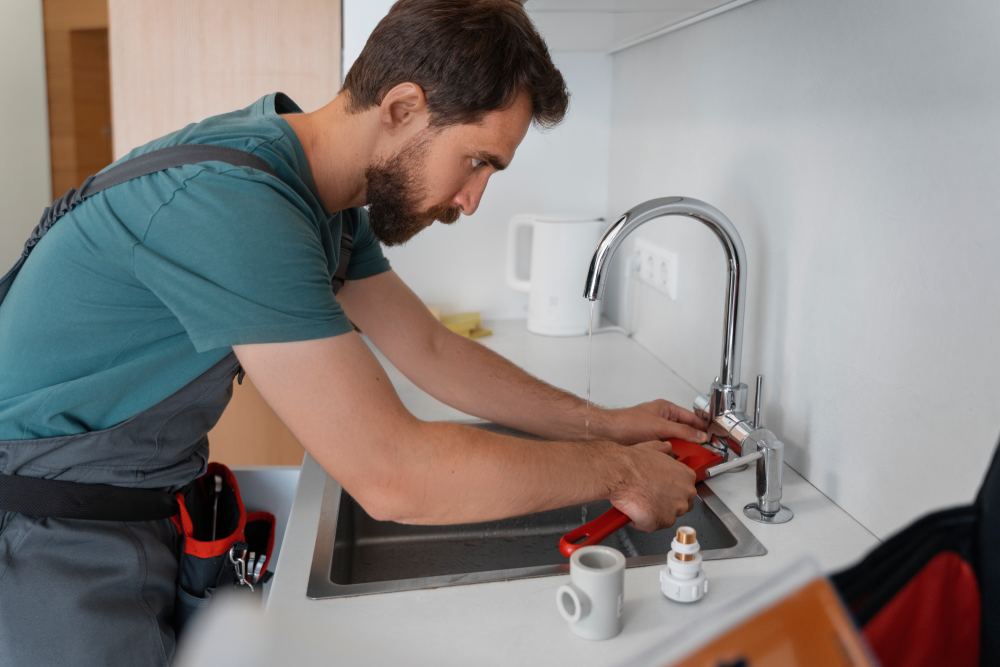
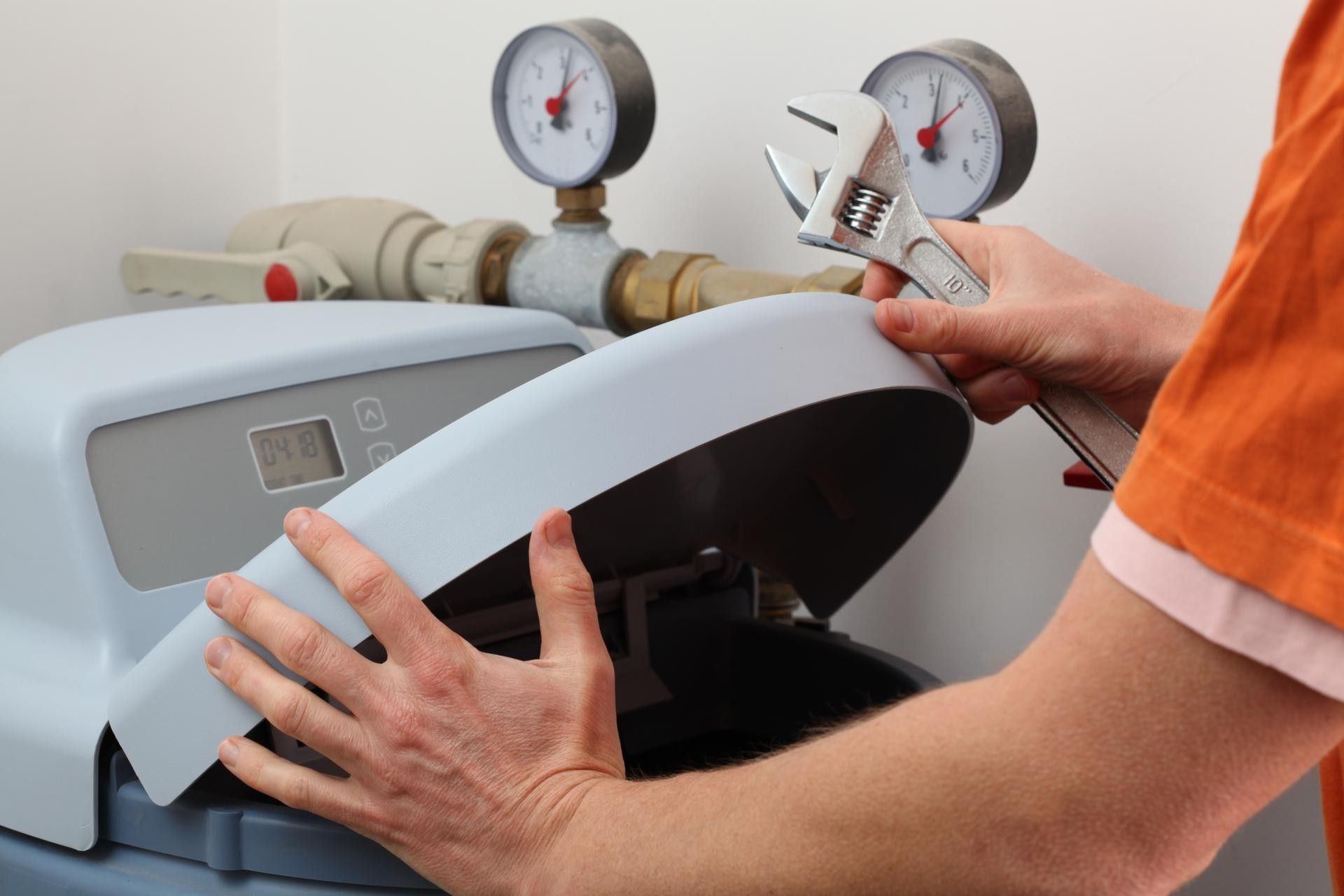
When you wake up to a cold shower or notice your hot water running out faster than usual, it’s clear something is wrong with your water heater. For most homeowners, water heater problems can be confusing and frustrating. But for a skilled plumber, these issues are just another puzzle to solve. At American Rooter & Drain, our team has seen it all—from minor hiccups to major breakdowns. This blog will take you through the process of diagnosing and repairing water heater issues, showing you what a professional plumber brings to the table and how you can spot early warning signs at home.
Understanding Your Water Heater
Before diving into the specifics of repairs, it’s important to understand how your water heater works. Whether you have a traditional tank-style heater or a modern tankless unit, the basic principle is the same: cold water enters the system, gets heated, and is then delivered to your faucets and appliances. When something goes wrong, a plumber is trained to identify the source, whether it’s a faulty thermostat, a broken heating element, or a sediment buildup.
Why Water Heater Issues Happen
Water heaters are built to last, but they’re not invincible. Over time, parts wear out, sediment builds up, and components can fail. The most common water heater problems include:
- No hot water
- Water that’s too hot or not hot enough
- Strange noises coming from the tank
- Water leaks around the unit
- Discolored or foul-smelling water
Each of these symptoms points to a different underlying issue, and diagnosing them correctly is where a professional plumber’s expertise shines.
The Plumber’s Diagnostic Process
When you call a plumber from American Rooter & Drain, you’re not just getting someone with a wrench—you’re getting a trained expert who understands the intricacies of water heater systems. Here’s how the diagnostic process typically unfolds:
1. Asking the Right Questions
The first step any good plumber takes is to gather information. They will ask you about the age of your water heater, recent problems, and any changes you’ve noticed. This helps narrow down the possible causes and ensures a more efficient repair process.
2. Inspecting the Water Heater
Next, the plumber will perform a thorough inspection of your water heater. This includes checking for visible leaks, examining the thermostat and heating elements, and looking for signs of corrosion or sediment buildup. A skilled plumber knows exactly where to look and what to listen for, making it easier to pinpoint the issue.
3. Testing Components
Once the visual inspection is complete, the plumber will test individual components. This might involve using a multimeter to check electrical connections, measuring water temperature, or draining the tank to look for sediment. By systematically testing each part, the plumber can identify the root cause of the problem.
4. Explaining the Problem
A good plumber doesn’t just fix the issue—they also explain it to you in clear, simple terms. At American Rooter & Drain, we believe in transparency. Our plumbers will walk you through their findings, show you any damaged parts, and discuss your repair options before starting any work.
Common Water Heater Problems and How Plumbers Fix Them
Let’s take a closer look at some of the most common water heater issues and how a plumber from American Rooter & Drain would tackle each one.
No Hot Water
If you’re getting nothing but cold water, the problem could be as simple as a tripped circuit breaker or as complex as a failed heating element. A plumber will start by checking the power supply and resetting the breaker if needed. If that doesn’t work, they will test the heating elements and thermostat to see if they need to be replaced.
Inconsistent Water Temperature
Water that’s too hot or not hot enough usually points to a thermostat issue. The plumber will check the thermostat’s settings and test its accuracy. If it’s malfunctioning, they will replace it with a new one, ensuring your water heater delivers the perfect temperature every time.
Strange Noises
Popping or rumbling noises coming from your water heater are often caused by sediment buildup at the bottom of the tank. This sediment can cause the tank to overheat and reduce efficiency. A plumber will flush the tank to remove the sediment, restoring quiet operation and improving performance.
Leaks
Water leaks around your heater can be caused by a variety of issues, from loose connections to a corroded tank. The plumber will inspect all fittings and valves, tightening or replacing them as needed. If the tank itself is leaking, it may be time for a replacement.
Discolored or Smelly Water
Rusty or foul-smelling water is usually a sign of corrosion inside the tank or bacteria growth. A plumber will check the anode rod, which is designed to prevent rust, and replace it if necessary. They may also flush the tank and disinfect it to eliminate bacteria.
The Importance of Regular Maintenance
One of the best ways to avoid water heater problems is through regular maintenance. At American Rooter & Drain, our plumbers recommend an annual inspection and flushing of your water heater. This simple step can extend the life of your unit, improve efficiency, and save you money on repairs down the line.
During a maintenance visit, a plumber will:
- Inspect the tank and components for signs of wear
- Flush out sediment to prevent buildup
- Test the thermostat and heating elements
- Check the pressure relief valve for proper operation
- Replace the anode rod if needed
By catching small issues early, a plumber can help you avoid major breakdowns and keep your hot water flowing all year long.
When to Call a Plumber
Some water heater issues can be fixed with a little DIY know-how, but others require the expertise of a professional plumber. If you notice any of the following, it’s time to call American Rooter & Drain:
- Persistent leaks that don’t stop after tightening connections
- Water that smells like rotten eggs or is discolored
- No hot water despite resetting the breaker
- Unusual noises that don’t go away after flushing the tank
- Visible corrosion or rust on the tank
Trying to fix these problems yourself can be dangerous and may void your warranty. A plumber has the tools and training to make safe, effective repairs.
The Value of a Professional Plumber
There’s a big difference between a handyman and a licensed plumber. At American Rooter & Drain, our plumbers undergo rigorous training and stay up-to-date on the latest water heater technology. This means you get reliable, long-lasting repairs that keep your home comfortable and safe.
When you hire a plumber from our team, you can expect:
- Fast, friendly service
- Honest, upfront pricing
- Thorough diagnostics and clear explanations
- High-quality parts and workmanship
Our plumbers take pride in their work and treat your home with respect, leaving it clean and tidy after every job.
How to Extend the Life of Your Water Heater
While a plumber can fix most water heater issues, there are steps you can take to keep your system running smoothly between visits. Here are some tips from the experts at American Rooter & Drain:
- Set your thermostat to 120°F to prevent overheating and reduce energy costs.
- Flush your tank every year to remove sediment and improve efficiency.
- Check the anode rod every two years and replace it if it’s worn out.
- Insulate your water heater and pipes to prevent heat loss.
- Schedule regular maintenance with a professional plumber.
By following these simple steps, you can avoid many common water heater problems and enjoy reliable hot water for years to come.
The Role of Technology in Water Heater Repairs
Modern water heaters are more advanced than ever, with digital controls, energy-saving features, and smart home integration. While these innovations offer many benefits, they also require specialized knowledge to diagnose and repair. A plumber from American Rooter & Drain is trained to work with the latest models and can troubleshoot even the most complex systems.
Whether you have a traditional tank, a tankless unit, or a hybrid system, our plumbers have the expertise to keep it running at peak performance.
What Sets American Rooter & Drain Apart
When it comes to water heater repairs, not all plumbers are created equal. At American Rooter & Drain, we combine decades of experience with a commitment to customer satisfaction. Our plumbers are local to the Boise area and understand the unique challenges that Idaho homeowners face, from hard water issues to extreme temperature swings.
We use state-of-the-art diagnostic tools and high-quality replacement parts, ensuring every repair is done right the first time. And with our satisfaction guarantee, you can rest easy knowing your water heater is in good hands.
Real-Life Scenarios: How Plumbers Solve Water Heater Mysteries
To give you a better idea of what a plumber near me actually does during a repair, let’s walk through a few real-life scenarios that our team at American Rooter & Drain has encountered.
Scenario 1: The Case of the Cold Shower
A homeowner called us after several days of cold showers. The water heater was only five years old, so a complete failure seemed unlikely. Our plumber arrived, checked the power supply, and found that the circuit breaker had tripped. After resetting it, the heater still didn’t work. Further inspection revealed a faulty thermostat, which was quickly replaced. The homeowner had hot water again within the hour.
Scenario 2: The Mystery Leak
Another customer noticed water pooling around their water heater. Our plumber inspected the unit and found that the drain valve was loose. After tightening the valve and checking for other leaks, the problem was resolved. The plumber also recommended a maintenance flush to remove sediment and prevent future issues.
Scenario 3: The Noisy Tank
A third customer complained of loud rumbling noises coming from their water heater. Our plumber suspected sediment buildup and performed a tank flush. Sure enough, several gallons of sediment were removed, and the noise disappeared. The plumber also checked the anode rod and replaced it to prevent corrosion.
These scenarios highlight the value of having a skilled plumber on your side. With the right training and experience, a plumber can quickly diagnose and fix even the most puzzling water heater issues.
What You Can Do Before the Plumber Arrives
While it’s always best to leave major repairs to a professional, there are a few things you can do to help your plumber diagnose the problem more quickly:
- Take note of any error codes or warning lights on your water heater.
- Check your circuit breaker or fuse box to ensure power is reaching the unit.
- Look for visible leaks or signs of corrosion around the tank.
- Listen for unusual noises and describe them to your plumber.
- Write down when the problem started and any changes you’ve noticed.
By providing this information, you will help your plumber get to the root of the issue faster, saving you time and money.
Preventing Water Heater Problems: Tips from the Pros
At American Rooter & Drain, we believe that prevention is the best cure. Here are some expert tips to keep your water heater running smoothly:
- Don’t ignore small problems—call a plumber at the first sign of trouble.
- Schedule annual maintenance to catch issues early.
- Install a water softener if you have hard water, as this can reduce sediment buildup.
- Keep the area around your water heater clean and free of clutter.
- Replace your water heater every 8-12 years, or sooner if you notice frequent problems.
By following these guidelines, you will minimize the risk of unexpected breakdowns and enjoy reliable hot water year-round.
Water heater issues can disrupt your daily routine and cause unnecessary stress. But with the help of a skilled plumber from American Rooter & Drain, you can rest assured that your system will be diagnosed and repaired quickly and efficiently. Our plumbers bring years of experience, advanced tools, and a commitment to customer satisfaction to every job.
If you’re experiencing water heater problems, don’t wait—visit https://www.idahosplumber.com/ to schedule an appointment with a trusted plumber today. With the right expertise on your side, you will enjoy hot water and peace of mind for years to come.
With the right approach and a trusted plumber on your side, water heater problems don’t have to be a headache. Remember, regular maintenance and early intervention are key to keeping your hot water flowing and your home comfortable. If you ever need expert help, American Rooter & Drain is just a call or click away.
American Rooter & Drain
1005 Commercial Way, Caldwell, ID 83605, United States
(208) 402-8033
https://www.idahosplumber.com/