HVAC Contractor and Indoor Air Quality: Creating a Healthier Living Environment
The air you breathe inside your home has a direct impact on your health and comfort. When most people think about indoor air quality, they imagine dust, pollen, or maybe a musty smell. But there’s much more to it—and your HVAC contractor plays a central role in making sure your living environment is as healthy as possible. At American Rooter & Drain, we believe that understanding the connection between your HVAC system and indoor air quality is the first step toward a healthier home. Let’s explore how the right HVAC contractor can transform your air and your life.
What Does an HVAC Contractor Do?
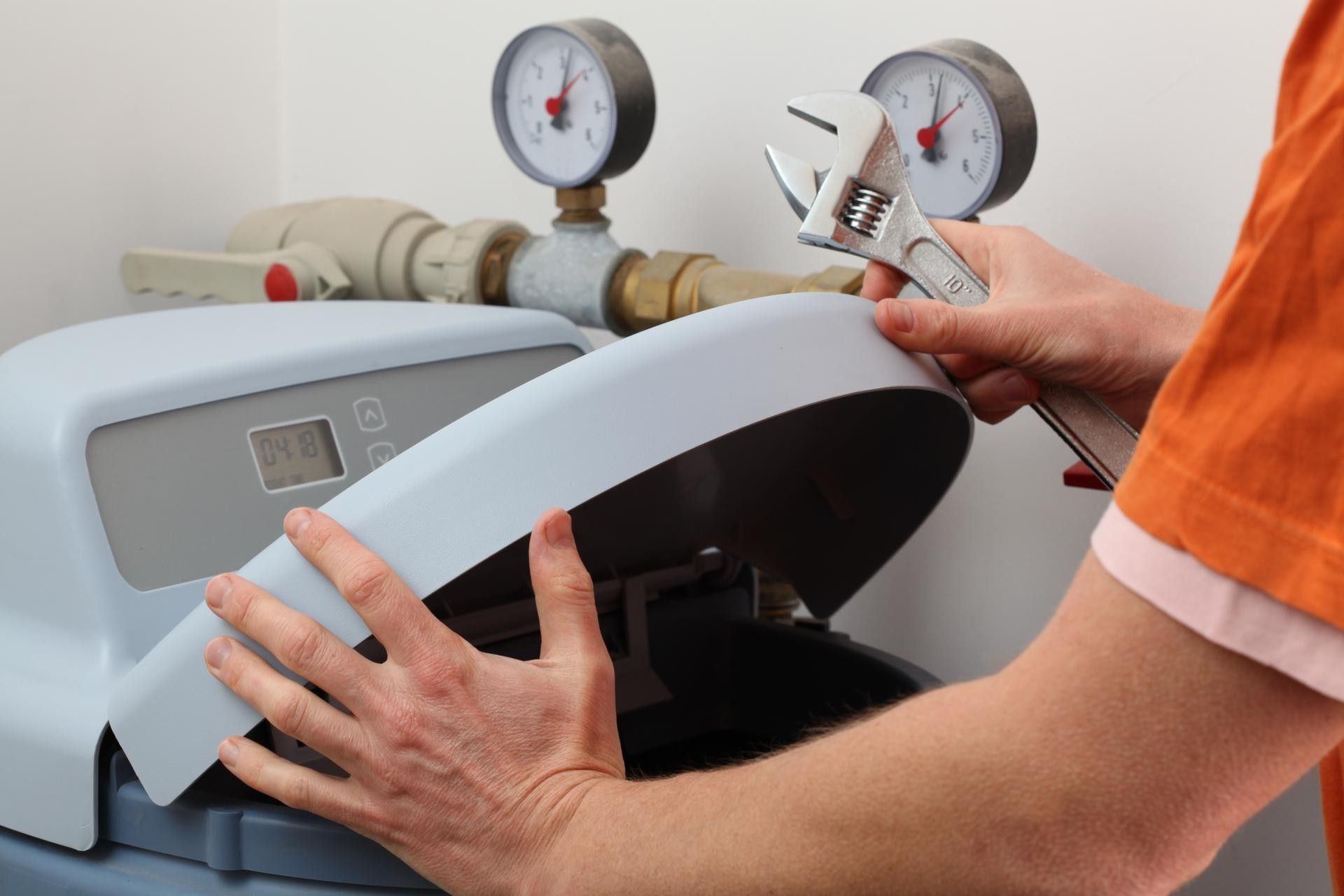
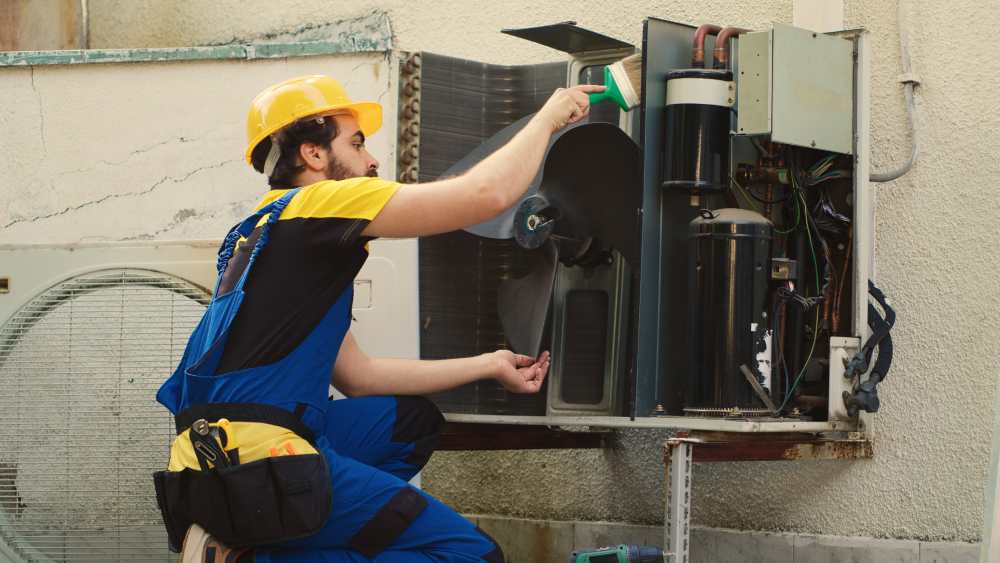
An HVAC contractor is much more than someone who fixes your air conditioner when it’s hot outside. At American Rooter & Drain, our HVAC contractors are trained professionals who design, install, maintain, and repair heating, ventilation, and air conditioning systems. Their expertise ensures that your home’s air is not just comfortable but also clean and safe to breathe.
A skilled HVAC contractor evaluates your home’s needs, recommends the best solutions, and implements the latest technologies to keep your air fresh. Whether it’s installing a new system, upgrading filters, or performing regular maintenance, the HVAC contractor is your partner in creating a healthier living environment.
Why Indoor Air Quality Matters
Indoor air quality (IAQ) refers to the cleanliness and healthiness of the air inside your home. Poor IAQ can lead to a range of health problems, including allergies, asthma, headaches, fatigue, and even more serious respiratory issues. The air inside can actually be more polluted than the air outside, especially in homes that are tightly sealed for energy efficiency.
Common indoor air pollutants include:
- Dust and pet dander
- Pollen
- Mold spores
- Volatile organic compounds (VOCs) from cleaning products or paints
- Smoke and cooking fumes
- Bacteria and viruses
A professional HVAC contractor understands these challenges and knows how to address them with targeted solutions. At American Rooter & Drain, our team is dedicated to helping you breathe easier every day.
How Your HVAC System Impacts Indoor Air Quality
Your HVAC system is the lungs of your home. It circulates air, controls temperature, manages humidity, and filters out pollutants. But if your system is outdated, poorly maintained, or incorrectly installed, it can actually make your air quality worse.
Here’s how a well-maintained HVAC system, serviced by a qualified HVAC contractor, can improve your indoor air quality:
- Air Filtration: High-quality filters capture dust, pollen, and other particles before they circulate through your home.
- Humidity Control: Proper humidity levels prevent mold growth and reduce dust mites.
- Ventilation: Bringing in fresh air and exhausting stale air removes indoor pollutants.
- Air Purification: Advanced systems can neutralize bacteria, viruses, and VOCs for even cleaner air.
At American Rooter & Drain, our HVAC contractors know that every home is different. We tailor our solutions to your specific needs, ensuring your system works efficiently and your air stays clean.
The Role of Regular Maintenance
Even the best HVAC system needs regular care to keep it running smoothly. Routine maintenance by a professional HVAC contractor is essential for maintaining indoor air quality. Here’s why:
- Filter Changes: Dirty filters can’t trap pollutants effectively and may even restrict airflow, making your system work harder.
- Duct Cleaning: Dust, mold, and debris can accumulate in your ductwork, spreading contaminants throughout your home.
- System Inspections: A thorough check-up can catch issues like leaks, mold growth, or failing components before they become big problems.
- Calibration and Cleaning: Ensuring all parts are clean and working correctly maximizes efficiency and air quality.
At American Rooter & Drain, our HVAC contractors provide comprehensive maintenance services to keep your air clean and your system reliable.
Upgrading Your System for Better Air
If your HVAC system is older or struggling to keep your home comfortable, it might be time for an upgrade. Modern systems offer advanced features that significantly improve indoor air quality. Here’s what a knowledgeable HVAC contractor can recommend:
- High-Efficiency Filters: These capture smaller particles and more allergens than standard filters.
- UV Light Purifiers: Installed inside your HVAC system, these kill bacteria, viruses, and mold spores.
- Whole-Home Air Purifiers: These systems work with your HVAC to remove pollutants from every room.
- Smart Thermostats and Controls: These help maintain ideal temperature and humidity levels for comfort and health.
Our team at American Rooter & Drain stays up to date with the latest technologies, ensuring you get the most effective solutions for your home.
Signs You Need to Call an HVAC Contractor
Not sure if your indoor air quality is up to par? Here are some common signs that it’s time to call in a professional HVAC contractor:
- You notice more dust than usual, even after cleaning.
- Family members experience frequent allergies or respiratory issues.
- There’s a musty or stale odor in your home.
- You see visible mold growth around vents or windows.
- Your HVAC system is running constantly or struggling to maintain comfort.
At American Rooter & Drain, our HVAC contractors can assess your system, identify the source of the problem, and recommend the best solutions to restore your air quality.
Simple Steps to Improve Indoor Air Quality
While professional help is essential, there are also simple things you can do every day to support a healthier home:
- Change your HVAC filters regularly, at least every 1–3 months.
- Keep your home clean by dusting and vacuuming with a HEPA filter.
- Use exhaust fans in kitchens and bathrooms to remove moisture and odors.
- Avoid smoking indoors and limit the use of harsh cleaning chemicals.
- Open windows when weather allows for natural ventilation.
When you combine these habits with the expertise of a trusted HVAC contractor, you create a living environment that supports your health and well-being.
The American Rooter & Drain Difference
Choosing the right HVAC contractor near me makes all the difference. At American Rooter & Drain, we don’t just fix problems—we prevent them. Our team is committed to ongoing training, top-quality service, and personalized solutions for every customer. We take pride in helping families across our community enjoy cleaner, healthier air.
Our HVAC contractors understand that your home is your sanctuary. That’s why we use the latest tools and techniques to ensure your air is as pure as possible. From detailed inspections to advanced system upgrades, we’re here to make your living environment the best it can be.
Frequently Asked Questions
What is indoor air quality, and why should I care?
Indoor air quality (IAQ) refers to how clean and healthy the air inside your home is. Good IAQ means fewer allergens, pollutants, and irritants in your air, which can reduce health issues like allergies, asthma, and headaches. Keeping your air clean is essential for your family’s comfort and well-being.
How often should I change my HVAC filters?
Most filters should be changed every 1–3 months, depending on your system and how much dust or pet hair is in your home. If you have allergies or pets, you may need to change them more often. Ask your HVAC contractor for the best schedule for your situation.
Can my HVAC system help with allergies?
Yes! A well-maintained HVAC system with high-efficiency filters can trap allergens like dust, pollen, and pet dander. Some systems can even be upgraded with air purifiers or UV lights to further reduce allergens and bacteria.
What are signs of poor indoor air quality?
Common signs include frequent dust buildup, musty odors, increased allergy or asthma symptoms, and visible mold. If you notice these issues, it’s a good idea to have an HVAC contractor inspect your system.
What’s the difference between a regular filter and a HEPA filter?
Standard filters catch larger particles like dust and lint, while HEPA filters trap much smaller particles, including many allergens. Not all HVAC systems can use HEPA filters, so check with your HVAC contractor before upgrading.
How does humidity affect indoor air quality?
High humidity can lead to mold growth and dust mites, while low humidity can cause dry skin and respiratory irritation. Your HVAC contractor can recommend solutions like humidifiers or dehumidifiers to keep humidity at healthy levels.
Should I have my air ducts cleaned?
If you notice dust blowing from your vents, visible mold, or a musty smell, duct cleaning can help. Your HVAC contractor can inspect your ducts and recommend cleaning if needed.
Can houseplants improve indoor air quality?
While houseplants can absorb some pollutants, their effect is limited compared to proper ventilation, filtration, and purification systems.
What are VOCs, and how can I reduce them?
VOCs (volatile organic compounds) are chemicals released by paints, cleaning products, and some furniture. To reduce VOCs, use low-VOC products and ensure good ventilation. An HVAC contractor can recommend air purifiers that help remove VOCs from your air.
How do I know if my HVAC system is affecting my air quality?
If your system is old, poorly maintained, or you notice any of the signs of poor air quality, it’s time to have a professional HVAC contractor inspect your system. They can identify issues and recommend improvements to ensure your air is clean and safe.
Creating a healthier living environment starts with understanding the connection between your HVAC system and indoor air quality. By partnering with a knowledgeable HVAC contractor like American Rooter & Drain, you can take control of your home’s air, reduce health risks, and enjoy greater comfort every day. Small changes—like regular filter changes, routine maintenance, and system upgrades—add up to a big difference in the air you breathe. Your home should be your haven, and with the right care, it can be the healthiest place for you and your family. For more information or to schedule a consultation, visit American Rooter & Drain at
https://www.idahosplumber.com/.