Winterizing Your Plumbing System: Protect Your Pipes from Freezing
December 11, 2024
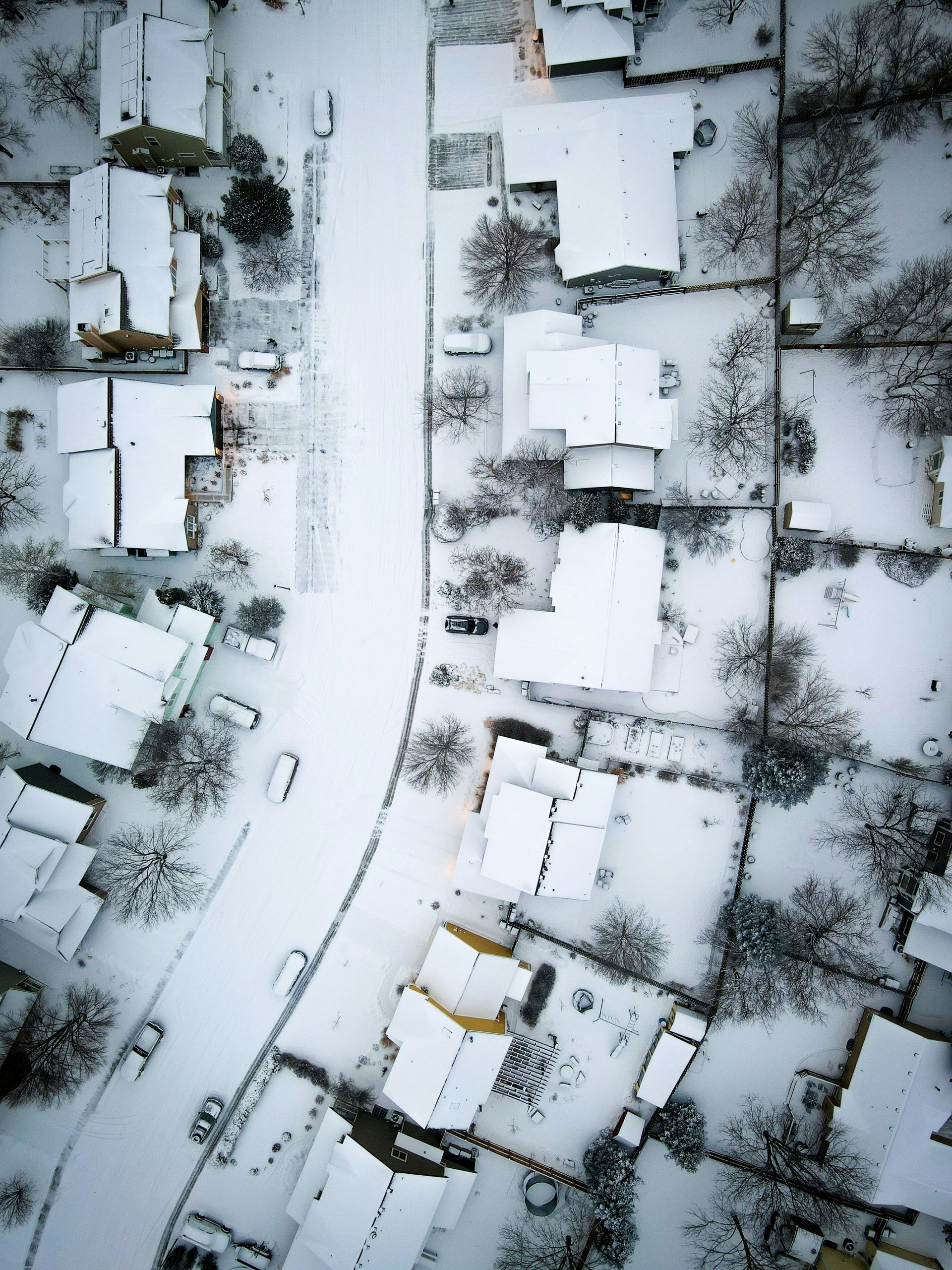
Exterior of a blue home in the snow.

What Steps Should I Take to Winterize My Plumbing System? 

As the winter season approaches and temperatures begin to drop, it becomes crucial to winterize your plumbing system. Proper winterization not only helps prevent frozen pipes but also safeguards your home’s plumbing from potential damage caused by freezing temperatures. This guide will walk you through essential steps to prepare your plumbing, focusing on insulation, identifying vulnerable areas, and knowing when to call a professional plumber. 


How to Insulate Exposed Pipes? 


Insulating exposed pipes is one of the most effective ways to protect your plumbing from freezing. Start by identifying all the areas in your home where pipes are exposed, particularly those located in unheated areas such as basements, crawl spaces, and exterior walls. Use foam pipe insulation, which is easy to install, or wrap the pipes with insulation tape. Ensure that you cover every inch of the exposed pipe to provide a barrier against the cold. Additionally, consider allowing warm air to circulate around the pipes by opening cabinet doors, especially those under sinks, to further help prevent freezing. 


What Are the Best Materials for Insulating Pipes? 


When it comes to insulating your plumbing, choosing the right materials is essential for effective protection. Foam sleeves or fiberglass insulation are popular choices for their excellent thermal resistance. Heat tape is another option that can be applied directly to the pipes, providing electrical heating that prevents freezing. Remember to select insulation materials that are appropriate for the specific pipes you are working with, as improper materials can lead to issues. Always ensure that the insulation fits snugly around the pipes to maximize its effectiveness in preventing frozen pipes throughout the winter months. 


Why Is Winter Plumbing Preparation Important? 


Winter plumbing preparation is vital for several reasons. First and foremost, frozen pipes can lead to a burst pipe, causing significant water damage to your home and resulting in costly repairs. The expansion of water when it freezes creates pressure within the pipes, which can easily lead to leaks if the pipes are not properly insulated. Additionally, preparing your plumbing for winter ensures that your water supply remains uninterrupted during the cold season. By taking proactive steps to winterize your plumbing system, you gain peace of mind knowing that your home is protected against the harsh effects of winter weather. 

How Can I Prevent Frozen Pipes During Winter? 

What Are Common Signs of Frozen Pipes? 


Being able to identify the common signs of frozen pipes can help you take action before any major plumbing issues arise. One of the first indicators is a decrease in water flow from faucets. If you notice that water is trickling instead of flowing freely, it may mean that the pipe is partially frozen. Additionally, listen for unusual sounds, such as banging or clanking noises in your plumbing system, which can signify expanding ice within the pipes. If you suspect that pipes freeze, it is crucial to address the issue immediately to prevent a burst pipe situation. 


How to Identify Vulnerable Areas in My Plumbing System? 


Identifying vulnerable areas in your plumbing system is essential for effective winterization. Start by inspecting areas that are prone to freezing, such as exterior walls and unheated spaces like attics and crawl spaces. Often, plumbing that runs along exterior walls is at a higher risk due to exposure to cold air. Furthermore, don’t forget to check the valves and fittings, which can also be susceptible to freezing. By carefully examining these areas, you can target your winterizing efforts and ensure that all vulnerable pipes are adequately insulated to prevent frozen pipes. 


Do I Need to Use Heat Tape on My Pipes? 


Using heat tape on your pipes can be a highly effective measure when winterizing your plumbing system. Heat tape provides direct heat to the pipes, preventing them from freezing even in the coldest conditions. This is particularly useful for pipes in unheated areas or those that are exposed to extreme cold. However, it’s essential to follow the manufacturer’s instructions when applying heat tape, as improper installation can lead to fire hazards. For maximum effectiveness, combine heat tape with insulation to protect your plumbing system from freezing temperatures. 

What Should I Do with Outdoor Faucets and Hoses? 

How to Properly Drain and Store Hoses? 


Properly draining and storing hoses is an important step in winterizing your plumbing system. Begin by disconnecting hoses from outdoor faucets and draining any remaining water to prevent freezing. After draining, store hoses in a dry, sheltered location to keep them safe from the elements. This helps ensure that your hoses remain intact and functional for future use. Additionally, you can use a hose reel or bucket to keep them organized and prevent kinks that could damage the hose material. 


Should I Disconnect My Hose Bibs from the Plumbing System? 


Yes, disconnecting hose bibs from the plumbing system is a crucial step in protecting your plumbing from freezing. By removing the hoses and draining the faucet, you reduce the risk of water freezing inside the hose bib and causing a burst pipe. After disconnecting, it’s advisable to use insulated covers or faucet socks designed to fit over outdoor faucets to provide additional protection against freezing temperatures. This simple action can significantly reduce the risk of plumbing issues during the winter months.

By Ana Bustamante May 8, 2026
A bathroom renovation is one of the most rewarding home improvement projects a homeowner can undertake. A well-designed, fully functioning bathroom adds comfort, convenience, and real value to any home. But while most renovation planning begins with tiles, fixtures, and color schemes, the most successful bathroom upgrades always start somewhere less glamorous — the plumbing. Plumbing is the backbone of every bathroom. It determines where your fixtures can go, how well your shower performs, whether your new freestanding bath fills quickly enough to enjoy, and whether your newly tiled walls will remain pristine for years to come or develop damp problems due to hidden leaks. Getting the plumbing right from the start is not just a practical consideration — it is what separates a bathroom that looks good from one that works brilliantly and stands the test of time. This guide explores the most impactful plumbing-led bathroom upgrades, explains why plumbing should always be the first conversation in any renovation project, and helps homeowners understand what to prioritize when planning their ideal bathroom. Why Plumbing Should Come First in Any Bathroom Renovation It is tempting to start a bathroom renovation by browsing beautiful fixtures and finishes, and there is nothing wrong with drawing inspiration from what you love aesthetically. However, before any design decisions are finalized, the existing plumbing infrastructure needs to be assessed. Older homes in particular may have pipework that is not suited to the demands of a modern bathroom. Pipes may be undersized, corroded, or laid out in a way that limits where fixtures can be positioned. Water pressure may be insufficient to support a powerful shower or a thermostatic valve. Drainage may not be adequate for a new bath or larger shower enclosure. By consulting a qualified plumber at the very beginning of the planning process, homeowners can understand exactly what their existing system can support, what upgrades are necessary, and what is possible within their budget. This prevents costly surprises mid-renovation when walls have already been opened and tiles have already been ordered. Upgrading Your Shower: The Most Impactful Bathroom Improvement For most homeowners, the shower is the most used fixture in the bathroom, and upgrading it delivers the greatest return in terms of daily enjoyment and added home value. A plumbing-led shower upgrade might involve replacing an old electric shower with a powerful mixer or thermostatic shower system, relocating the shower to a more practical or aesthetically pleasing position, or installing a large rainfall shower head that requires adequate water pressure and flow to perform as intended. Thermostatic shower valves in particular represent a significant upgrade for many homes. They maintain a precise and consistent water temperature regardless of what else is happening in the house — no more sudden blasts of cold water when someone uses a tap elsewhere. Installing these correctly requires careful pipework planning and is a job for an experienced plumber who understands how to balance the system properly. Walk-in showers and wet rooms are also increasingly popular upgrade choices. These require careful waterproofing, precise drainage installation, and a thorough understanding of floor gradients to ensure water flows correctly and does not pool or leak into the subfloor. Freestanding Baths and Soaker Tubs: Getting the Plumbing Right A freestanding bath is one of the most striking design statements a bathroom can make, and demand for them has grown steadily as homeowners seek to create a spa-like feel in their own homes. However, installing a freestanding bath is not simply a matter of placing it in the desired position and connecting it up. Freestanding baths typically require floor-mounted taps and exposed pipework, which means the plumbing needs to be planned and routed before flooring is laid. The fill rate of the bath is also an important consideration — a large soaker tub filled by inadequate water pressure is a frustrating experience. A plumber can assess whether the existing hot water system can support the demands of a larger bath and recommend solutions such as upgrading the boiler or installing a dedicated hot water cylinder if needed. Basin and Vanity Upgrades Replacing a basin and vanity unit is one of the simpler bathroom upgrades in design terms, but the plumbing implications should not be overlooked. Wall-hung basins and vanity units with concealed plumbing create a cleaner, more contemporary look, but require careful planning to ensure supply and waste pipes are correctly positioned within the wall before it is tiled. Counter-top basins, which sit on top of a vanity unit rather than being built into it, have become a popular design choice. These require the tap to be mounted directly on the surface below, and the waste pipe needs to be routed accordingly. Getting these details right at the plumbing stage means the finished installation looks intentional and polished rather than like an afterthought. Improving Water Pressure and Flow One of the most commonly overlooked bathroom upgrades is addressing water pressure. Many homeowners simply accept low or inconsistent water pressure as a fact of life, not realizing that it can often be significantly improved with the right plumbing intervention. A qualified plumber can assess the cause of low pressure — whether it originates with the mains supply, the boiler, the pipework, or a combination of factors — and recommend appropriate solutions. In some cases, a pump can be installed to boost pressure to showers and taps. In others, replacing outdated pipework with a more efficient layout makes a substantial difference. Improving water pressure transforms the performance of every fixture in the bathroom and is often one of the highest-value upgrades a homeowner can make relative to its cost. Heated Towel Rails and Underfloor Heating No bathroom upgrade is truly complete without considering heating. A warm, comfortable bathroom makes an enormous difference to the daily experience of the space, and both heated towel rails and underfloor heating are increasingly considered standard rather than luxury additions. Heated towel rails connected to the central heating system require a plumber to connect them correctly to the existing pipework, bleed and balance them alongside the rest of the heating system, and ensure they perform efficiently. Underfloor heating — whether water-based or electric — requires careful planning around the floor construction and must be installed before new flooring is laid. Start Your Bathroom Upgrade the Right Way A beautiful bathroom begins with plumbing that works. Whether you are planning a complete renovation or a targeted upgrade to specific fixtures, getting expert plumbing advice at the start of the project sets the foundation for a result you will enjoy for years to come. Our experienced team of plumbers is here to help you plan, prepare, and deliver a bathroom upgrade that combines stunning design with reliable, high-performance plumbing. Get in touch today for a consultation and take the first step toward the bathroom your home deserves. Frequently Asked Questions Do I need a plumber before I start designing my new bathroom? Ideally yes. Consulting a plumber early in the planning process ensures your design is achievable within your existing infrastructure and budget, and avoids costly changes once work has begun. Can I move my toilet to a different position in the bathroom? Relocating a toilet is possible but involves significant plumbing work, including rerouting the soil pipe. This is a job that requires professional expertise and in some cases may require building regulations approval. How do I know if my water pressure is suitable for a new shower system? A plumber can carry out a simple pressure test to determine your current water pressure and advise on whether it is sufficient for the shower system you have in mind, or whether additional work is needed to improve it. Will upgrading my bathroom plumbing affect the rest of the house? In most cases, targeted bathroom upgrades have minimal impact on the rest of the house. However, major changes such as boiler upgrades or significant pipe rerouting may have wider implications that a plumber will discuss with you in advance. How long does a full bathroom plumbing upgrade typically take? The duration depends on the scope of the work. A straightforward fixture replacement may take a day, while a full bathroom renovation involving rerouted pipework, new drainage, and heating installation may take several days to complete.
image of our new smart thermostat
By Andrew Phelps May 7, 2026
EBreeze Smart Thermostat from American Rooter, Drain and HVAC improves home comfort, saves energy, and helps prevent costly HVAC issues with smart, remote control