How a Plumber Can Improve Your Home’s Water Efficiency
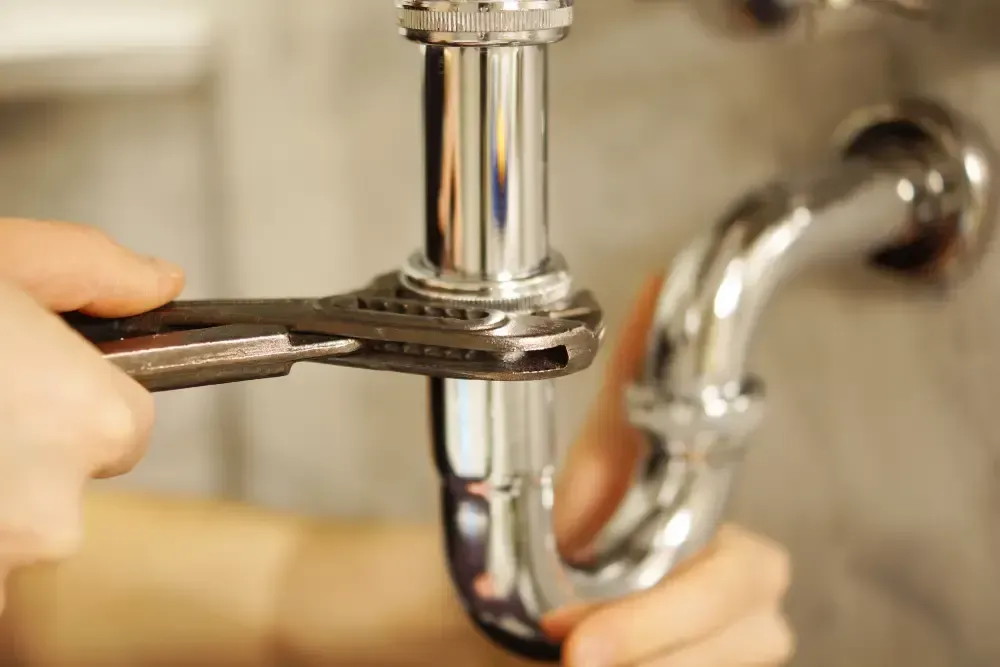
Water is a precious resource, and conserving it not only helps the environment but also saves you money on your utility bills. Many homeowners don't realize how much water they waste daily, often due to outdated fixtures, hidden leaks, or inefficient plumbing systems. Fortunately, a skilled plumber can significantly improve your home's water efficiency. American Rooter & Drain is available to assist you, visit https://www.idahosplumber.com/nearme/boise-id. By identifying problem areas and recommending effective solutions, a plumber can help you reduce water consumption and lower your environmental footprint. Investing in water-efficient upgrades, with the assistance of a plumber, ensures long-term savings and sustainability.
Identifying Water Waste: The First Step
The first step in improving your home's water efficiency is identifying where water is being wasted. This might seem obvious, but many leaks and inefficiencies go unnoticed for years. Start by checking all your faucets and showerheads for drips. Even a small, steady drip can waste gallons of water over time.
Toilets are another common source of water waste. A running toilet can waste hundreds of gallons of water each day. To check for a leak, add a few drops of food coloring to the toilet tank. Wait about 15-20 minutes without flushing. If color appears in the bowl, you have a leak.
Next, inspect your pipes, both inside and outside your home. Look for any signs of moisture or discoloration, which could indicate a leak. Pay close attention to pipe joints and connections, as these are common areas for leaks to develop. If you notice any leaks, it’s time to call a plumber.
The Role of a Plumber in Detecting Hidden Leaks
While you can identify some obvious leaks, many leaks are hidden behind walls, under floors, or in your yard. These hidden leaks can be difficult to detect without specialized equipment. A plumber has the tools and expertise to find these hidden leaks and repair them before they cause significant damage and water waste. American Rooter & Drain's team of professional plumbers use advanced technology to detect leaks.
One common method plumbers use is pressure testing. This involves temporarily shutting off the water supply to your home and then pressurizing the pipes with air or water. By monitoring the pressure, the plumber can determine if there are any leaks in the system.
Another tool plumbers use is acoustic listening devices. These devices can detect the sound of water escaping from a pipe, even if the leak is hidden behind a wall or under a floor. By using these tools, a plumber can pinpoint the exact location of the leak and make the necessary repairs.
Upgrading to Water-Efficient Fixtures
One of the most effective ways to improve your home's water efficiency is to upgrade to water-efficient fixtures. Old toilets, showerheads, and faucets can use significantly more water than newer, more efficient models.
Toilets
Old toilets can use as much as 3 to 7 gallons of water per flush (GPF), while newer high-efficiency toilets (HETs) use only 1.28 GPF or less. Replacing an old toilet with an HET can save a significant amount of water over time.
Look for toilets that are WaterSense certified. WaterSense is a program run by the Environmental Protection Agency (EPA) that certifies products that meet certain water efficiency standards. WaterSense-certified toilets use at least 20% less water than standard toilets. A plumber can install these efficient toilets in your home.
Showerheads
Old showerheads can use as much as 5 gallons of water per minute (GPM), while newer water-efficient showerheads use 2.5 GPM or less. Switching to a low-flow showerhead can save a significant amount of water without sacrificing water pressure.
Again, look for showerheads that are WaterSense certified. These showerheads meet EPA standards for water efficiency and performance. Replacing your old showerhead with a WaterSense-certified model is a simple and affordable way to reduce your water consumption. American Rooter & Drain can assist you with this.
Faucets
Old faucets can use as much as 3 to 5 GPM, while newer water-efficient faucets use 1.5 GPM or less. Installing low-flow aerators on your existing faucets is a simple and inexpensive way to reduce water consumption.
Aerators mix air with water, which reduces the amount of water that flows out of the faucet without affecting water pressure. Many new faucets come with built-in aerators, making them even more water-efficient. A plumber can replace the faucets in your home.
Repairing Leaks Promptly
Even small leaks can waste a significant amount of water over time. Repairing leaks promptly is essential for improving your home's water efficiency. Don't ignore dripping faucets, running toilets, or leaky pipes. The sooner you repair a leak, the less water you will waste. American Rooter & Drain is available to help at https://www.idahosplumber.com/nearme/boise-id.
If you're not comfortable repairing leaks yourself, call a plumber. A plumber has the expertise and tools to quickly and effectively repair leaks of all sizes. They can also identify the underlying cause of the leak and recommend solutions to prevent future leaks. Ignoring leaks can lead to bigger problems.
Insulating Pipes
Insulating your water pipes can also improve your home's water efficiency. Insulating pipes, especially hot water pipes, helps to reduce heat loss, which means you won't have to run the water as long to get hot water. This can save a significant amount of water over time. To have your water pipes insulated, contact a plumber.
Pipe insulation is relatively inexpensive and easy to install. You can purchase pipe insulation at most hardware stores. Simply wrap the insulation around the pipes and secure it with tape. Pay special attention to insulating pipes in unheated areas, such as basements and crawl spaces.
Water Softeners and Filtration Systems
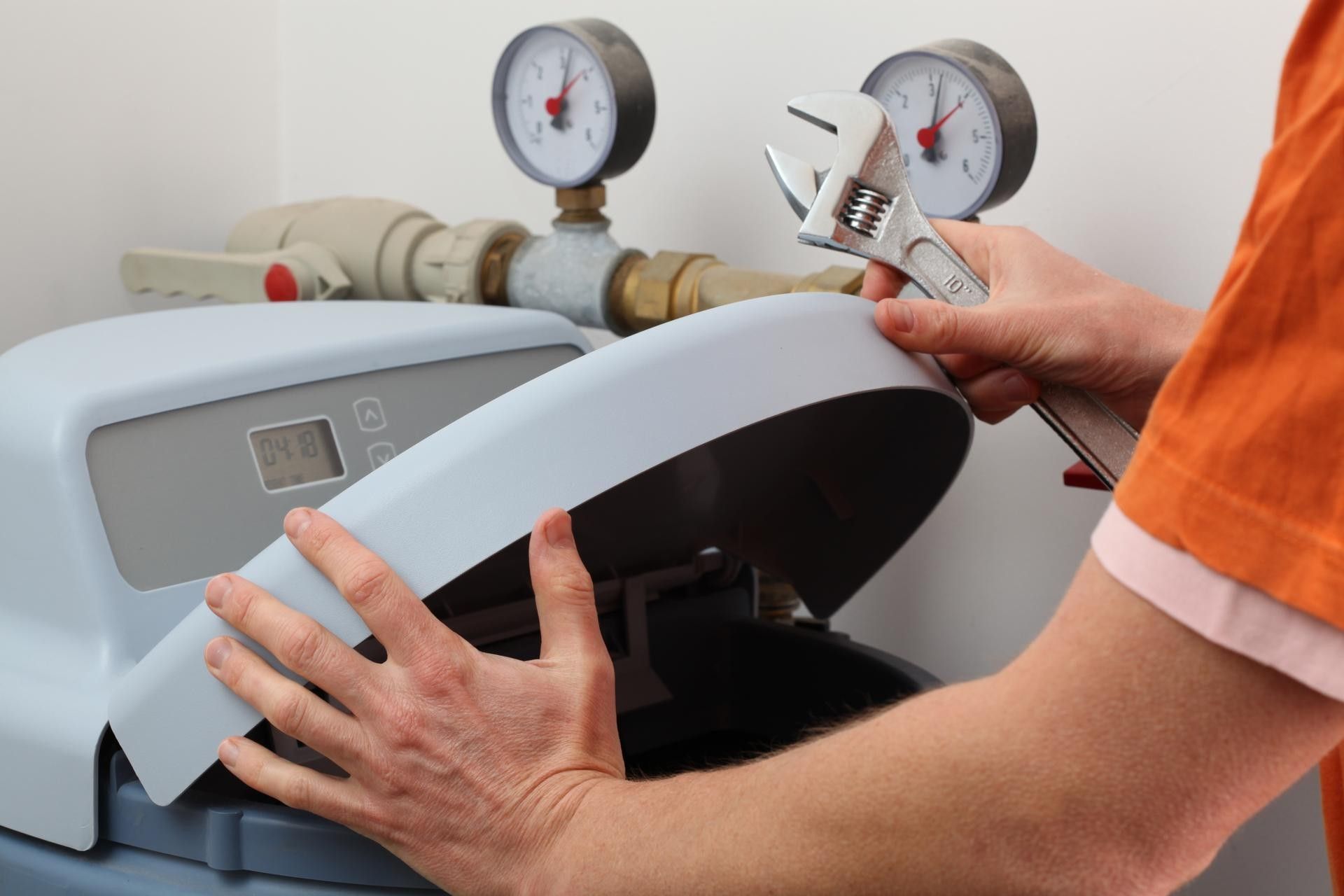
If you have hard water, you may want to consider installing a water softener. Hard water can cause mineral buildup in your pipes and fixtures, which can reduce their efficiency and lifespan. A water softener removes minerals from the water, which can help to prevent buildup and improve the performance of your plumbing system. A plumber can install water softeners in your home.
Water filtration systems can also improve your home's water quality and efficiency. These systems remove sediment, chlorine, and other contaminants from the water, which can improve its taste and odor. Some water filtration systems also reduce the amount of water wasted during the filtration process.
Maintaining Your Water Heater
Your water heater is one of the largest energy consumers in your home. Maintaining your water heater can help to improve its efficiency and extend its lifespan. One simple way to maintain your water heater is to flush it regularly.
Over time, sediment can build up in the bottom of your water heater tank, which can reduce its efficiency and cause it to overheat. Flushing the tank removes this sediment and helps to keep your water heater running smoothly. Refer to your water heater's owner's manual for instructions on how to flush the tank.
You should also inspect your water heater regularly for leaks or other problems. If you notice any issues, call a plumber for assistance. A plumber can diagnose and repair any problems with your water heater. Regular maintenance of your water heater, with the help of a plumber, can save you money.
Landscaping and Irrigation
Your outdoor water usage can also have a significant impact on your home's water efficiency. If you have a lawn or garden, consider using water-efficient landscaping techniques.
One technique is to choose drought-tolerant plants that require less water. Another technique is to use mulch to help retain moisture in the soil. You should also water your lawn and garden early in the morning or late in the evening, when temperatures are cooler and less water is lost to evaporation.
If you have an irrigation system, make sure it is properly maintained and adjusted. Check for leaks or broken sprinkler heads. Adjust the watering schedule to match the needs of your plants and the weather conditions. Consider installing a rain sensor that automatically shuts off the irrigation system when it rains. American Rooter & Drain is available at https://www.idahosplumber.com/nearme/boise-id for any assistance.
Greywater Recycling Systems
Greywater recycling systems collect wastewater from your showers, sinks, and washing machines and reuse it for non-potable purposes, such as flushing toilets or watering plants. These systems can significantly reduce your water consumption and lower your water bills.
While greywater recycling systems can be expensive to install, they can pay for themselves over time through water savings. They are also environmentally friendly, as they reduce the demand on freshwater resources. A plumber can help you install a greywater recycling system.
Educating Your Family
Finally, one of the most important steps in improving your home's water efficiency is to educate your family about water conservation. Teach your children about the importance of saving water and encourage them to adopt water-saving habits.
Remind your family to turn off the water while brushing their teeth, take shorter showers, and only run the washing machine or dishwasher when they are full. By working together, you can significantly reduce your household's water consumption and lower your water bills. American Rooter & Drain is here to help you.
By taking these steps, you can significantly improve your home's water efficiency and reduce your water bills. A plumber near me can play a vital role in this process, by identifying leaks, recommending water-efficient fixtures, and providing expert advice on water conservation.
FAQs about Water Efficiency
- How can I tell if I have a hidden water leak?
- Look for signs such as unexplained increases in your water bill, the sound of running water when no fixtures are in use, or damp spots on walls or floors. A professional plumber can use specialized equipment to detect hidden leaks.
- What is a WaterSense label?
- The WaterSense label is a program by the EPA to certify products that meet specific water efficiency standards. Look for this label when purchasing new toilets, showerheads, and faucets.
- How often should I flush my water heater?
- It is generally recommended to flush your water heater at least once a year to remove sediment buildup. Refer to your water heater's owner's manual for specific instructions.
- Can a plumber help with outdoor water conservation?
- Yes, plumbers can help with outdoor water conservation by inspecting and repairing irrigation systems, recommending water-efficient landscaping techniques, and installing rain sensors.
- What are the benefits of installing a water softener?
- A water softener can help prevent mineral buildup in your pipes and fixtures, improve the efficiency of your plumbing system, and extend the lifespan of your appliances.
- How can I reduce water waste in my bathroom?
- You can reduce water waste in your bathroom by fixing leaks, installing water-efficient fixtures, taking shorter showers, and turning off the water while brushing your teeth.
- What is greywater recycling?
- Greywater recycling is the process of collecting wastewater from showers, sinks, and washing machines and reusing it for non-potable purposes, such as flushing toilets or watering plants.
- How much water can I save by switching to a low-flow showerhead?
- Switching to a low-flow showerhead can save up to 50% of the water used during showering.
- What should I do if I suspect a water leak but can't find it?
- If you suspect a water leak but can't find it, call a professional plumber. They have the expertise and equipment to locate and repair hidden leaks.
- Are there any rebates or incentives for installing water-efficient fixtures?
- Many local water utilities offer rebates or incentives for installing water-efficient fixtures. Check with your local utility company for more information.
American Rooter & Drain
199 E 52nd St SUITE 200, Garden City, ID 83714, United States
(208) 366-5701