Drainage Service Essentials: Preventing Clogs and Maintaining Clear Drains
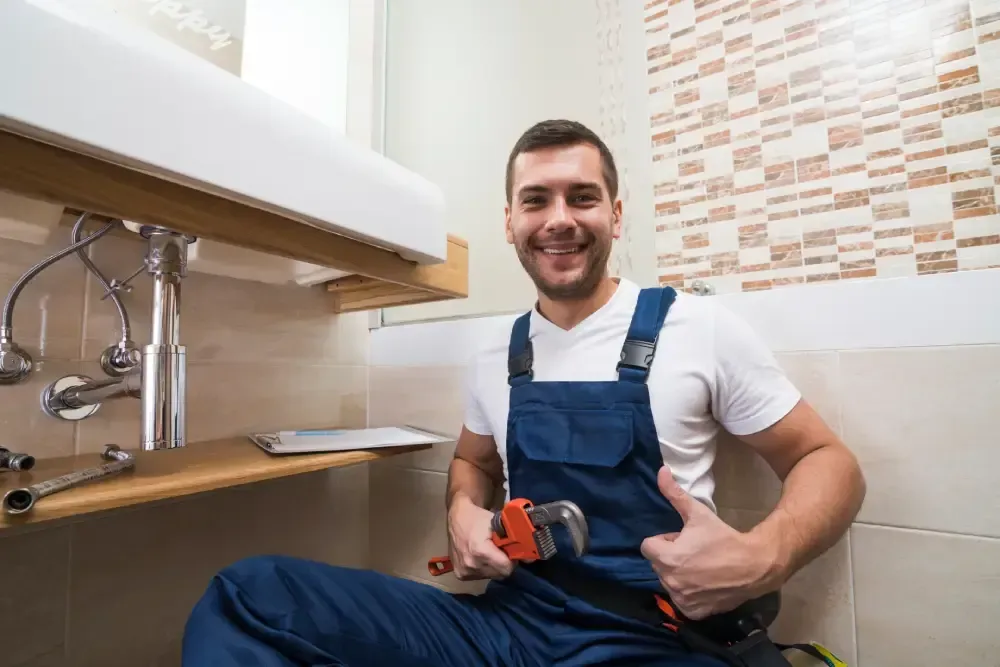
March 13, 2025

Clogged drains are a common household nuisance that can disrupt daily life, cause unpleasant odors, and even lead to costly repairs if left unchecked. Whether it’s the kitchen sink, bathroom shower, or toilet, maintaining clear drains is essential for a smoothly functioning home. By understanding the fundamentals of drainage service and adopting preventive measures, you can save yourself from the hassle of unexpected plumbing emergencies. Let’s dive into the essentials of preventing clogs and keeping your drains in top shape.


Understanding Drainage Service: The Backbone of a Healthy Plumbing System

Drainage service is more than just unclogging pipes; it’s about ensuring the entire plumbing system operates efficiently. A professional drainage service typically includes inspecting pipes, removing blockages, and recommending preventive measures to avoid future problems.

One of the most overlooked aspects of drainage service is routine maintenance. Many homeowners wait until a clog becomes a crisis before seeking help. However, regular check-ups by experts like American Rooter & Drain can identify potential issues before they escalate. For instance, grease buildup in kitchen sinks or hair accumulation in bathroom drains can be addressed early with proper drainage service.

When emergencies strike—such as water backing up into your sink or toilet—an emergency plumber becomes your lifeline. These professionals are equipped to handle urgent situations like burst pipes or severe clogs that can’t wait for regular business hours. Having a trusted emergency plumber on speed dial ensures that you’re prepared for any plumbing disaster.


Common Causes of Clogged Drains

Before diving into prevention, it’s crucial to understand what causes clogs in the first place. Here are some common culprits:

  • Grease and Oil: Pouring grease down the kitchen sink is one of the fastest ways to clog pipes. Grease solidifies as it cools, sticking to pipe walls and trapping other debris.
  • Hair: In bathroom drains, hair often combines with soap scum to form stubborn blockages.
  • Non-Flushable Items: Flushing items like wipes, feminine hygiene products, or paper towels can wreak havoc on your plumbing system.
  • Food Scraps: Even with a garbage disposal, certain foods like coffee grounds or potato peels can accumulate and cause clogs.
  • Tree Roots: For outdoor drains, tree roots can infiltrate pipes in search of water, leading to significant blockages.

By addressing these issues proactively with regular drainage service, you can minimize the risk of clogs disrupting your home.


Preventive Measures to Keep Drains Clear

1. Be Mindful of What Goes Down the Drain

The easiest way to prevent clogs is by being cautious about what you allow into your plumbing system. Avoid pouring grease down the sink or flushing non-degradable items down the toilet. Instead, dispose of these materials in trash bins.

For kitchen sinks specifically, using drain strainers can catch food particles before they enter your pipes. In bathrooms, hair catchers are invaluable tools for preventing hair from clogging shower drains.


2. Regular Maintenance with Drainage Service

Scheduling regular drainage service is one of the most effective ways to keep your plumbing system healthy. Professionals can clean out buildup that you might not even realize exists. For example, hydro jetting—a high-pressure water cleaning technique—can remove grease and debris from pipes without causing damage.

In case of sudden blockages or leaks, an emergency plumber can provide immediate solutions to restore normalcy.


3. Hot Water Flushes

Flushing your drains with hot water once a week helps dissolve grease and soap scum that may have started accumulating in your pipes. This simple habit can go a long way in maintaining clear drains.


4. Enzyme-Based Cleaners

Unlike harsh chemical cleaners that can corrode pipes over time, enzyme-based cleaners break down organic material naturally. These are particularly effective for kitchen and bathroom drains where food particles and soap scum are common problems.


When to Call an Emergency Plumber

Even with diligent preventive measures, emergencies can still occur. Knowing when to call an emergency plumber is essential for minimizing damage and costs:

  • Complete Blockages: If water refuses to drain despite your best efforts with plungers or DIY methods.
  • Sewage Backup: Foul-smelling water coming back up through your drains is a clear sign of a serious issue.
  • Burst Pipes: Sudden flooding caused by a burst pipe requires immediate attention from an emergency plumber.
  • Persistent Leaks: Leaks that continue despite tightening connections may indicate underlying pipe damage.

An emergency plumber not only resolves these issues quickly but also provides guidance on how to prevent them from recurring.


DIY Tips for Minor Clogs

While professional drainage service is indispensable for major issues, minor clogs can often be handled at home:

  • Use a plunger to create suction and dislodge blockages.
  • Try a mixture of baking soda and vinegar followed by hot water to dissolve minor buildups.
  • Use a plumbing snake or auger for deeper clogs that aren’t accessible with other tools.

However, if these methods fail or if you notice recurring problems, it’s time to call in the experts at American Rooter & Drain.


The Role of Professional Drainage Service in Long-Term Maintenance

Professional drainage service isn’t just about fixing problems—it’s about preventing them from occurring in the first place. Companies like American Rooter & Drain offer comprehensive services tailored to your home’s specific needs. This includes everything from routine inspections to emergency plumber services during critical situations.

By investing in professional care, you ensure that your plumbing system remains efficient and free from costly disruptions.


Maintaining clear drains doesn’t have to be complicated or expensive. By adopting simple habits like mindful disposal practices and scheduling regular drainage service appointments, you can avoid most common plumbing issues. And when emergencies arise, having access to an experienced emergency plumber ensures you’re never caught off guard.

Remember: A little effort today can save you from big headaches tomorrow! Keep those drains flowing smoothly with preventive care and timely professional assistance from trusted providers like American Rooter & Drain!


American Rooter & Drain

117 N Main St, Payette, ID 83661, United States

(208) 402-8045

https://www.idahosplumber.com/nearme/payette-id


By Ana Bustamante May 8, 2026
A bathroom renovation is one of the most rewarding home improvement projects a homeowner can undertake. A well-designed, fully functioning bathroom adds comfort, convenience, and real value to any home. But while most renovation planning begins with tiles, fixtures, and color schemes, the most successful bathroom upgrades always start somewhere less glamorous — the plumbing. Plumbing is the backbone of every bathroom. It determines where your fixtures can go, how well your shower performs, whether your new freestanding bath fills quickly enough to enjoy, and whether your newly tiled walls will remain pristine for years to come or develop damp problems due to hidden leaks. Getting the plumbing right from the start is not just a practical consideration — it is what separates a bathroom that looks good from one that works brilliantly and stands the test of time. This guide explores the most impactful plumbing-led bathroom upgrades, explains why plumbing should always be the first conversation in any renovation project, and helps homeowners understand what to prioritize when planning their ideal bathroom. Why Plumbing Should Come First in Any Bathroom Renovation It is tempting to start a bathroom renovation by browsing beautiful fixtures and finishes, and there is nothing wrong with drawing inspiration from what you love aesthetically. However, before any design decisions are finalized, the existing plumbing infrastructure needs to be assessed. Older homes in particular may have pipework that is not suited to the demands of a modern bathroom. Pipes may be undersized, corroded, or laid out in a way that limits where fixtures can be positioned. Water pressure may be insufficient to support a powerful shower or a thermostatic valve. Drainage may not be adequate for a new bath or larger shower enclosure. By consulting a qualified plumber at the very beginning of the planning process, homeowners can understand exactly what their existing system can support, what upgrades are necessary, and what is possible within their budget. This prevents costly surprises mid-renovation when walls have already been opened and tiles have already been ordered. Upgrading Your Shower: The Most Impactful Bathroom Improvement For most homeowners, the shower is the most used fixture in the bathroom, and upgrading it delivers the greatest return in terms of daily enjoyment and added home value. A plumbing-led shower upgrade might involve replacing an old electric shower with a powerful mixer or thermostatic shower system, relocating the shower to a more practical or aesthetically pleasing position, or installing a large rainfall shower head that requires adequate water pressure and flow to perform as intended. Thermostatic shower valves in particular represent a significant upgrade for many homes. They maintain a precise and consistent water temperature regardless of what else is happening in the house — no more sudden blasts of cold water when someone uses a tap elsewhere. Installing these correctly requires careful pipework planning and is a job for an experienced plumber who understands how to balance the system properly. Walk-in showers and wet rooms are also increasingly popular upgrade choices. These require careful waterproofing, precise drainage installation, and a thorough understanding of floor gradients to ensure water flows correctly and does not pool or leak into the subfloor. Freestanding Baths and Soaker Tubs: Getting the Plumbing Right A freestanding bath is one of the most striking design statements a bathroom can make, and demand for them has grown steadily as homeowners seek to create a spa-like feel in their own homes. However, installing a freestanding bath is not simply a matter of placing it in the desired position and connecting it up. Freestanding baths typically require floor-mounted taps and exposed pipework, which means the plumbing needs to be planned and routed before flooring is laid. The fill rate of the bath is also an important consideration — a large soaker tub filled by inadequate water pressure is a frustrating experience. A plumber can assess whether the existing hot water system can support the demands of a larger bath and recommend solutions such as upgrading the boiler or installing a dedicated hot water cylinder if needed. Basin and Vanity Upgrades Replacing a basin and vanity unit is one of the simpler bathroom upgrades in design terms, but the plumbing implications should not be overlooked. Wall-hung basins and vanity units with concealed plumbing create a cleaner, more contemporary look, but require careful planning to ensure supply and waste pipes are correctly positioned within the wall before it is tiled. Counter-top basins, which sit on top of a vanity unit rather than being built into it, have become a popular design choice. These require the tap to be mounted directly on the surface below, and the waste pipe needs to be routed accordingly. Getting these details right at the plumbing stage means the finished installation looks intentional and polished rather than like an afterthought. Improving Water Pressure and Flow One of the most commonly overlooked bathroom upgrades is addressing water pressure. Many homeowners simply accept low or inconsistent water pressure as a fact of life, not realizing that it can often be significantly improved with the right plumbing intervention. A qualified plumber can assess the cause of low pressure — whether it originates with the mains supply, the boiler, the pipework, or a combination of factors — and recommend appropriate solutions. In some cases, a pump can be installed to boost pressure to showers and taps. In others, replacing outdated pipework with a more efficient layout makes a substantial difference. Improving water pressure transforms the performance of every fixture in the bathroom and is often one of the highest-value upgrades a homeowner can make relative to its cost. Heated Towel Rails and Underfloor Heating No bathroom upgrade is truly complete without considering heating. A warm, comfortable bathroom makes an enormous difference to the daily experience of the space, and both heated towel rails and underfloor heating are increasingly considered standard rather than luxury additions. Heated towel rails connected to the central heating system require a plumber to connect them correctly to the existing pipework, bleed and balance them alongside the rest of the heating system, and ensure they perform efficiently. Underfloor heating — whether water-based or electric — requires careful planning around the floor construction and must be installed before new flooring is laid. Start Your Bathroom Upgrade the Right Way A beautiful bathroom begins with plumbing that works. Whether you are planning a complete renovation or a targeted upgrade to specific fixtures, getting expert plumbing advice at the start of the project sets the foundation for a result you will enjoy for years to come. Our experienced team of plumbers is here to help you plan, prepare, and deliver a bathroom upgrade that combines stunning design with reliable, high-performance plumbing. Get in touch today for a consultation and take the first step toward the bathroom your home deserves. Frequently Asked Questions Do I need a plumber before I start designing my new bathroom? Ideally yes. Consulting a plumber early in the planning process ensures your design is achievable within your existing infrastructure and budget, and avoids costly changes once work has begun. Can I move my toilet to a different position in the bathroom? Relocating a toilet is possible but involves significant plumbing work, including rerouting the soil pipe. This is a job that requires professional expertise and in some cases may require building regulations approval. How do I know if my water pressure is suitable for a new shower system? A plumber can carry out a simple pressure test to determine your current water pressure and advise on whether it is sufficient for the shower system you have in mind, or whether additional work is needed to improve it. Will upgrading my bathroom plumbing affect the rest of the house? In most cases, targeted bathroom upgrades have minimal impact on the rest of the house. However, major changes such as boiler upgrades or significant pipe rerouting may have wider implications that a plumber will discuss with you in advance. How long does a full bathroom plumbing upgrade typically take? The duration depends on the scope of the work. A straightforward fixture replacement may take a day, while a full bathroom renovation involving rerouted pipework, new drainage, and heating installation may take several days to complete.
image of our new smart thermostat
By Andrew Phelps May 7, 2026
EBreeze Smart Thermostat from American Rooter, Drain and HVAC improves home comfort, saves energy, and helps prevent costly HVAC issues with smart, remote control