AC Repair: Understanding the Role of Refrigerant and How Leaks Are Fixed
August 6, 2025

When summer temperatures soar in Boise, a reliable air conditioner isn’t just a luxury—it’s a necessity. But what happens when your AC stops cooling effectively? Often, the culprit is a problem with the refrigerant, the lifeblood of your cooling system. At American Rooter & Drain, we know how crucial it is for homeowners to understand what refrigerant does, why leaks matter, and how professional AC repair can restore comfort to your home.


What Is Refrigerant and Why Is It So Important?

Refrigerant is a specialized chemical compound that circulates through your air conditioner, absorbing heat from inside your home and releasing it outside. This process is what actually cools your indoor air. Without refrigerant, your AC simply can’t do its job.

In every AC repair scenario, understanding the refrigerant’s role is key. The refrigerant moves through a closed loop of copper coils, changing from a liquid to a gas and back again. This cycle allows it to pick up heat from your living space and dump it outdoors, keeping your home cool and comfortable.

But refrigerant isn’t just any liquid. It’s designed to operate under high pressure and at specific temperatures, making it highly efficient at transferring heat. If there’s a leak, the system loses its ability to cool, and your AC repair needs become urgent.


The Refrigeration Cycle: How Your AC Cools Your Home

To grasp why refrigerant is so vital, it helps to understand the refrigeration cycle. This cycle is the heart of every air conditioning system, and it’s what makes modern cooling possible.


The Four Key Components

Every AC system relies on four main parts:

  • Compressor: Pumps refrigerant through the system, increasing its pressure and temperature.
  • Condenser Coil: Located outside, it releases heat from the refrigerant to the outdoor air.
  • Expansion Valve: Reduces the pressure of the refrigerant, cooling it down before it enters the evaporator.
  • Evaporator Coil: Inside your home, it absorbs heat from indoor air, cooling your living space.

As the refrigerant travels through these components, it changes state—from liquid to gas and back again—absorbing and releasing heat along the way. This continuous process is what keeps your home cool, and it’s why ac repair Garden City ID often focuses on ensuring the refrigerant loop is working perfectly.


What Happens When There’s a Refrigerant Leak?

A refrigerant leak is one of the most common reasons for AC repair. When refrigerant escapes from the system, several problems arise:

  • Reduced Cooling Efficiency: With less refrigerant, your AC can’t absorb as much heat, so your home stays warmer.
  • Longer Run Times: The system has to work harder and longer to try to reach the set temperature.
  • Higher Energy Bills: More run time means more electricity used, driving up your utility costs.
  • Potential System Damage: Running an AC with low refrigerant can damage the compressor, leading to costly repairs.

At American Rooter & Drain, we see refrigerant leaks frequently during AC repair calls. Leaks can develop at joints, connections, or tiny pinholes in the coils. Over time, even a small leak can lead to major performance issues.


Signs Your AC Needs Refrigerant Repair

How do you know if your air conditioner has a refrigerant problem? Here are some telltale signs that it’s time to call for AC repair:

  • Warm Air Blowing: If your AC is running but the air isn’t cold, low refrigerant could be the cause.
  • Hissing or Bubbling Sounds: These noises often indicate a refrigerant leak somewhere in the system.
  • Ice on the Evaporator Coil: Low refrigerant can cause the coil to freeze, leading to poor airflow and cooling.
  • Higher Energy Bills: A sudden spike in your power bill may mean your AC is struggling due to low refrigerant.

If you notice any of these symptoms, it’s time to schedule AC repair with a trusted professional like American Rooter & Drain.


How Professionals Find and Fix Refrigerant Leaks

Fixing a refrigerant leak isn’t as simple as topping off the system. Proper AC repair involves a systematic approach to ensure your AC is safe, efficient, and environmentally friendly.


Step 1: Inspection and Diagnosis

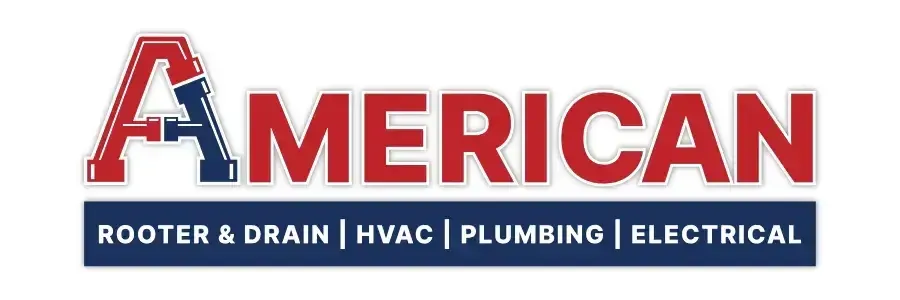
A trained technician will start by inspecting your AC system for visible signs of leaks or damage. They may use specialized tools like electronic leak detectors or UV dye to pinpoint the exact location of the leak.


Step 2: Repairing the Leak

Once the leak is found, the technician will repair it. This could involve tightening connections, replacing damaged sections of copper tubing, or even replacing the evaporator or condenser coil if the leak is severe.


Step 3: Evacuating and Recharging the System

After the leak is fixed, the technician will evacuate any remaining air and moisture from the system using a vacuum pump. This step is crucial for proper AC repair, as air and moisture can cause future problems. Then, the correct amount of refrigerant is added back into the system, restoring its cooling power.


Step 4: Testing and Verification

Finally, the technician will run your AC to ensure it’s cooling properly and that the repair was successful. They will check pressures, temperatures, and overall performance to make sure your system is running at peak efficiency.


Why DIY Refrigerant Repair Is a Bad Idea

It might be tempting to try a quick fix or add refrigerant yourself, but AC repair involving refrigerant is not a DIY job. Handling refrigerant requires special training and certification due to its high pressure and environmental impact. Improper repairs can lead to more leaks, system damage, and even health risks.

American Rooter & Drain’s certified technicians have the tools and expertise to handle refrigerant safely and effectively, ensuring your AC repair is done right the first time.


The Environmental Impact of Refrigerant Leaks

Refrigerant leaks aren’t just a comfort issue—they can also harm the environment. Many older refrigerants contain chemicals that contribute to ozone depletion or global warming. That’s why it’s essential to fix leaks promptly and use environmentally friendly refrigerants whenever possible.

During an AC repair, your technician will make sure any lost refrigerant is properly contained and disposed of according to environmental regulations.


Preventing Future Refrigerant Leaks

While some leaks are inevitable due to age or wear, regular maintenance can help prevent many refrigerant problems. Here are some tips to keep your AC running smoothly:

  • Schedule Annual Tune-Ups: Regular inspections can catch small leaks before they become big problems.
  • Change Air Filters Regularly: Dirty filters restrict airflow, causing the system to work harder and increasing the risk of leaks.
  • Keep the Area Around the Outdoor Unit Clear: Good airflow helps your AC run efficiently and reduces stress on the system.
  • Address Repairs Promptly: Don’t ignore signs of trouble—early AC repair can save you money and headaches down the road.


AC Repair in Boise: Trust the Local Experts

When you need AC repair in Boise, you want a company that understands the unique needs of Idaho homes. American Rooter & Drain has years of experience helping local families stay cool and comfortable, no matter how hot it gets outside.

Our team knows that refrigerant issues are among the most common—and most critical—AC repair problems. We use advanced diagnostic tools and proven repair techniques to ensure your system is running at its best.


How AC Repair Restores Comfort and Efficiency

A properly repaired AC system doesn’t just cool your home—it does so efficiently, saving you money on energy bills and reducing wear and tear on your equipment. Whether you’re dealing with a minor refrigerant leak or a major system overhaul, professional AC repair is the key to long-lasting comfort.

At American Rooter & Drain, we believe in clear communication, honest pricing, and quality workmanship. When you call us for AC repair, you can trust that we will get to the root of the problem and provide a solution that lasts.


For reliable AC repair in Boise and expert help with refrigerant issues, trust American Rooter & Drain to keep your home cool and comfortable all summer long.


American Rooter & Drain

199 E 52nd St SUITE 200, Garden City, ID 83714, United States

(208) 366-5701


By Ana Bustamante May 8, 2026
A bathroom renovation is one of the most rewarding home improvement projects a homeowner can undertake. A well-designed, fully functioning bathroom adds comfort, convenience, and real value to any home. But while most renovation planning begins with tiles, fixtures, and color schemes, the most successful bathroom upgrades always start somewhere less glamorous — the plumbing. Plumbing is the backbone of every bathroom. It determines where your fixtures can go, how well your shower performs, whether your new freestanding bath fills quickly enough to enjoy, and whether your newly tiled walls will remain pristine for years to come or develop damp problems due to hidden leaks. Getting the plumbing right from the start is not just a practical consideration — it is what separates a bathroom that looks good from one that works brilliantly and stands the test of time. This guide explores the most impactful plumbing-led bathroom upgrades, explains why plumbing should always be the first conversation in any renovation project, and helps homeowners understand what to prioritize when planning their ideal bathroom. Why Plumbing Should Come First in Any Bathroom Renovation It is tempting to start a bathroom renovation by browsing beautiful fixtures and finishes, and there is nothing wrong with drawing inspiration from what you love aesthetically. However, before any design decisions are finalized, the existing plumbing infrastructure needs to be assessed. Older homes in particular may have pipework that is not suited to the demands of a modern bathroom. Pipes may be undersized, corroded, or laid out in a way that limits where fixtures can be positioned. Water pressure may be insufficient to support a powerful shower or a thermostatic valve. Drainage may not be adequate for a new bath or larger shower enclosure. By consulting a qualified plumber at the very beginning of the planning process, homeowners can understand exactly what their existing system can support, what upgrades are necessary, and what is possible within their budget. This prevents costly surprises mid-renovation when walls have already been opened and tiles have already been ordered. Upgrading Your Shower: The Most Impactful Bathroom Improvement For most homeowners, the shower is the most used fixture in the bathroom, and upgrading it delivers the greatest return in terms of daily enjoyment and added home value. A plumbing-led shower upgrade might involve replacing an old electric shower with a powerful mixer or thermostatic shower system, relocating the shower to a more practical or aesthetically pleasing position, or installing a large rainfall shower head that requires adequate water pressure and flow to perform as intended. Thermostatic shower valves in particular represent a significant upgrade for many homes. They maintain a precise and consistent water temperature regardless of what else is happening in the house — no more sudden blasts of cold water when someone uses a tap elsewhere. Installing these correctly requires careful pipework planning and is a job for an experienced plumber who understands how to balance the system properly. Walk-in showers and wet rooms are also increasingly popular upgrade choices. These require careful waterproofing, precise drainage installation, and a thorough understanding of floor gradients to ensure water flows correctly and does not pool or leak into the subfloor. Freestanding Baths and Soaker Tubs: Getting the Plumbing Right A freestanding bath is one of the most striking design statements a bathroom can make, and demand for them has grown steadily as homeowners seek to create a spa-like feel in their own homes. However, installing a freestanding bath is not simply a matter of placing it in the desired position and connecting it up. Freestanding baths typically require floor-mounted taps and exposed pipework, which means the plumbing needs to be planned and routed before flooring is laid. The fill rate of the bath is also an important consideration — a large soaker tub filled by inadequate water pressure is a frustrating experience. A plumber can assess whether the existing hot water system can support the demands of a larger bath and recommend solutions such as upgrading the boiler or installing a dedicated hot water cylinder if needed. Basin and Vanity Upgrades Replacing a basin and vanity unit is one of the simpler bathroom upgrades in design terms, but the plumbing implications should not be overlooked. Wall-hung basins and vanity units with concealed plumbing create a cleaner, more contemporary look, but require careful planning to ensure supply and waste pipes are correctly positioned within the wall before it is tiled. Counter-top basins, which sit on top of a vanity unit rather than being built into it, have become a popular design choice. These require the tap to be mounted directly on the surface below, and the waste pipe needs to be routed accordingly. Getting these details right at the plumbing stage means the finished installation looks intentional and polished rather than like an afterthought. Improving Water Pressure and Flow One of the most commonly overlooked bathroom upgrades is addressing water pressure. Many homeowners simply accept low or inconsistent water pressure as a fact of life, not realizing that it can often be significantly improved with the right plumbing intervention. A qualified plumber can assess the cause of low pressure — whether it originates with the mains supply, the boiler, the pipework, or a combination of factors — and recommend appropriate solutions. In some cases, a pump can be installed to boost pressure to showers and taps. In others, replacing outdated pipework with a more efficient layout makes a substantial difference. Improving water pressure transforms the performance of every fixture in the bathroom and is often one of the highest-value upgrades a homeowner can make relative to its cost. Heated Towel Rails and Underfloor Heating No bathroom upgrade is truly complete without considering heating. A warm, comfortable bathroom makes an enormous difference to the daily experience of the space, and both heated towel rails and underfloor heating are increasingly considered standard rather than luxury additions. Heated towel rails connected to the central heating system require a plumber to connect them correctly to the existing pipework, bleed and balance them alongside the rest of the heating system, and ensure they perform efficiently. Underfloor heating — whether water-based or electric — requires careful planning around the floor construction and must be installed before new flooring is laid. Start Your Bathroom Upgrade the Right Way A beautiful bathroom begins with plumbing that works. Whether you are planning a complete renovation or a targeted upgrade to specific fixtures, getting expert plumbing advice at the start of the project sets the foundation for a result you will enjoy for years to come. Our experienced team of plumbers is here to help you plan, prepare, and deliver a bathroom upgrade that combines stunning design with reliable, high-performance plumbing. Get in touch today for a consultation and take the first step toward the bathroom your home deserves. Frequently Asked Questions Do I need a plumber before I start designing my new bathroom? Ideally yes. Consulting a plumber early in the planning process ensures your design is achievable within your existing infrastructure and budget, and avoids costly changes once work has begun. Can I move my toilet to a different position in the bathroom? Relocating a toilet is possible but involves significant plumbing work, including rerouting the soil pipe. This is a job that requires professional expertise and in some cases may require building regulations approval. How do I know if my water pressure is suitable for a new shower system? A plumber can carry out a simple pressure test to determine your current water pressure and advise on whether it is sufficient for the shower system you have in mind, or whether additional work is needed to improve it. Will upgrading my bathroom plumbing affect the rest of the house? In most cases, targeted bathroom upgrades have minimal impact on the rest of the house. However, major changes such as boiler upgrades or significant pipe rerouting may have wider implications that a plumber will discuss with you in advance. How long does a full bathroom plumbing upgrade typically take? The duration depends on the scope of the work. A straightforward fixture replacement may take a day, while a full bathroom renovation involving rerouted pipework, new drainage, and heating installation may take several days to complete.
image of our new smart thermostat
By Andrew Phelps May 7, 2026
EBreeze Smart Thermostat from American Rooter, Drain and HVAC improves home comfort, saves energy, and helps prevent costly HVAC issues with smart, remote control